Compression Levels Explained: 12–15 vs 15–20 vs 20–30 mmHg
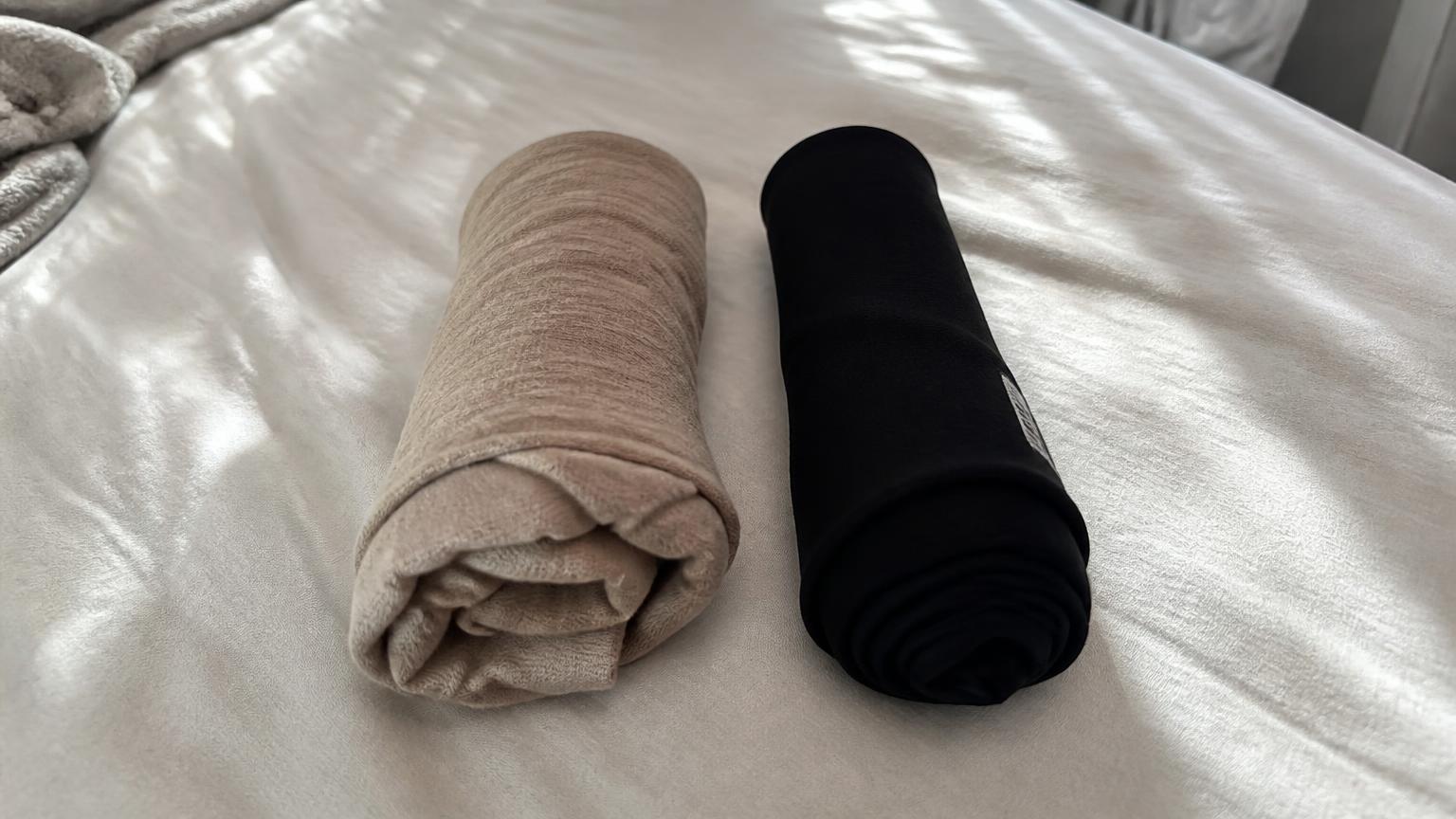
The most common question I get: "which compression level should I buy?" The mmHg rating on the package matters more than almost anything else about a compression sock, including the brand name printed above it.
mmHg (millimeters of mercury) measures how firmly the sock presses on your leg. Graduated compression means it's tightest at the ankle and eases up the calf, helping blood move back up instead of pooling. The number decides how that pressure feels — and whether you'll actually wear the sock every day.
12–15 mmHg — Gentle graduated
Best for
- All-day everyday wear: nurses, teachers, retail workers, travelers.
- Preventing the heavy, swollen end-of-day feeling before it starts.
- People who quit firmer socks: gentle enough that wearing it daily never feels like a decision.
Watch out for
- It's prevention, not treatment: if you have significant existing swelling, this level may feel too light.
My take
The sweet spot for working legs. This is the level Evirelle uses — and it's the level I wear every shift. My full 2026 comparison is here.
15–20 mmHg — Firm graduated
Best for
- More pronounced swelling that gentle compression doesn't fully manage.
- Long-haul flights: the classic travel-sock level.
- People who've worn compression before and know they tolerate firmness.
Watch out for
- Noticeably harder to put on: the #1 reason people abandon this level.
- Some find it too much for daily wear.
My take
Genuinely useful for the right person — but be honest about whether you'll wear it five days a week.
20–30 mmHg — Firm / medical
Best for
- Diagnosed venous conditions, post-surgical recovery, and prescribed use.
Watch out for
- Not a "more is better" upgrade. Firmer is not automatically healthier for everyday tired legs.
- Talk to a doctor first.
My take
If a clinician prescribed it, wear what they prescribed. If nobody did, you almost certainly want level one or two.
Common questions
"Shouldn't I buy the strongest for the best effect?" No — the biggest myth in the category. The best level is the one you'll actually wear. A gentle sock worn every day beats a firm sock abandoned in a drawer after a week.
"How do I know it's graduated?" The package should say so explicitly — tightest at the ankle, decreasing up the leg. Uniform-pressure tubes are a different product.
"Can I sleep in them?" For everyday gentle compression, take them off at night unless a doctor tells you otherwise. Your legs are horizontal; gravity is off duty.
— Emma