Insoles for Hospital Floors: 5 Tested, 2 Worth Buying
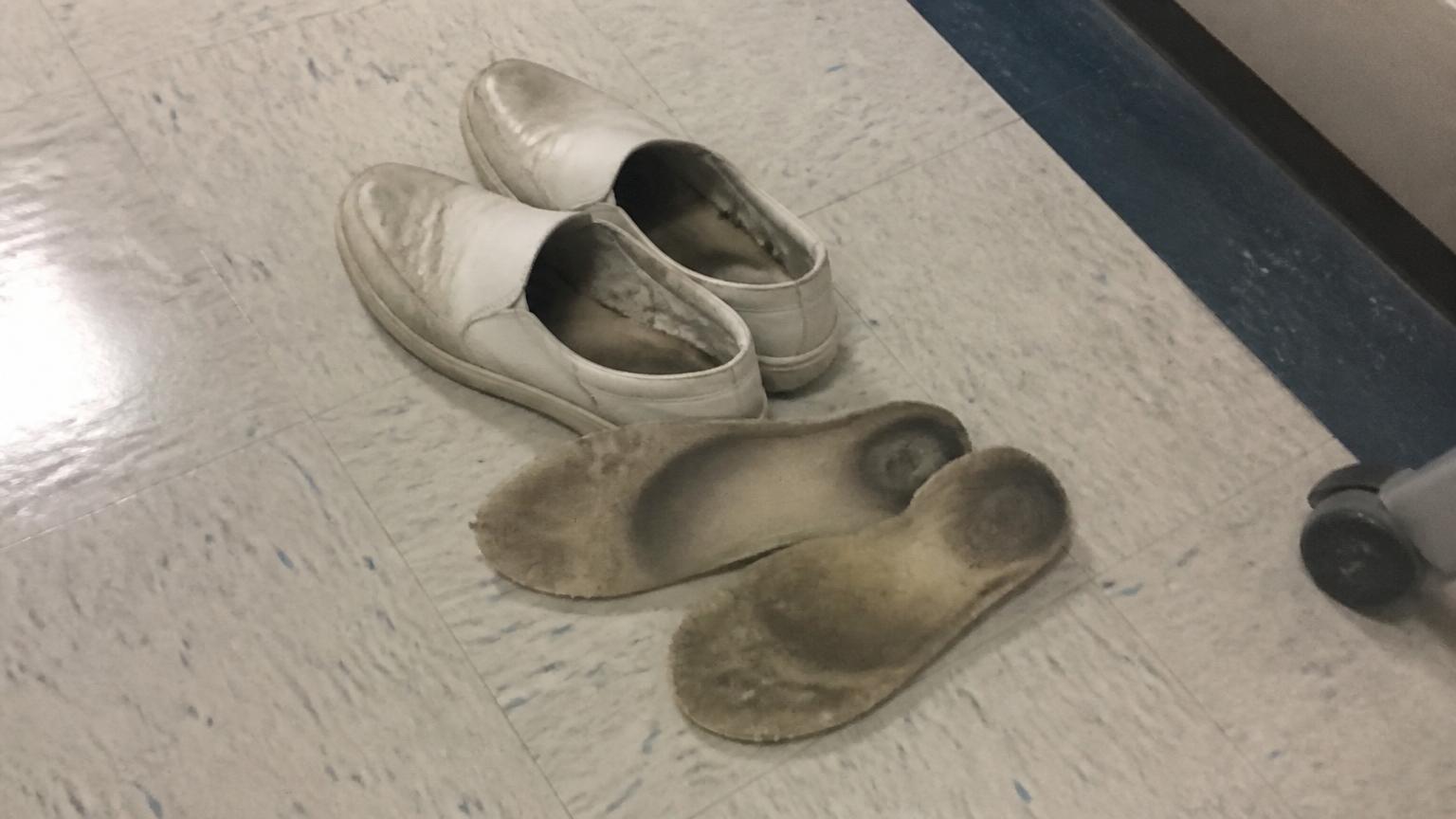
Hospital floors are concrete with a thin layer of optimism on top. Even good shoes give up cushioning over their lifespan, and insoles are the cheapest way to extend it — if you buy the right ones.
I tested five popular insole types, each for a full week of 12-hour shifts in the same pair of shoes. Two earned a permanent place in my rotation. Three did not.
What matters in a shift insole
If it feels like a pillow in the store, it will feel like nothing in a month. Your feet want structure.
Arch fatigue and heel pain are different problems with different solutions.
An insole that lifts your foot out of the shoe creates new problems.
A week of shifts is 60+ hours of load. Materials that pack down were never really cushioning you.
How I tested
- One full week of shifts each, same shoes, same floors.
- Hour-ten check-in: where did my feet hurt, and how much?
- Shape retention: compared against an unused duplicate at week's end.
- Fit impact: did my shoes still fit properly with the insole in?
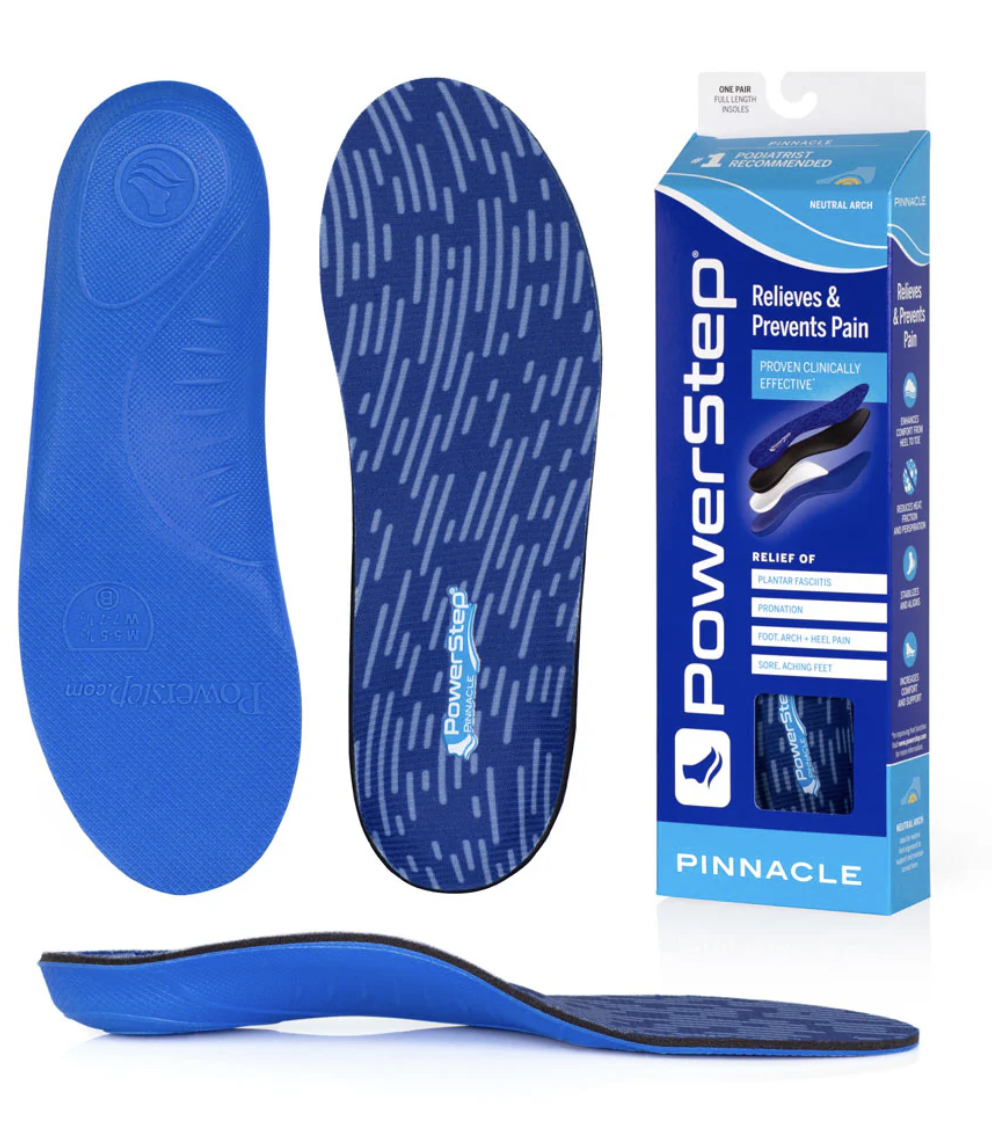
PowerStep Pinnacle
What I Love
- Changed hour ten completely: the deep arch ache I'd stopped even noticing was simply gone by day three. Dual-layer EVA cushion over a semi-rigid polypropylene arch shell — this is real structure.
- The #1 podiatrist-recommended brand of orthotic insoles, and it shows: the arch support is firm enough to actually do something, with enough cushion layered on top to keep it comfortable.
- Deep heel cup (5–6 mm) that cradles and stabilizes, not just pads.
- Held its shape perfectly after a week of shifts.
- Full-length, no trimming needed.
What could be better
- The firm arch takes two shifts to feel normal: if you're not used to structured support, the first day feels strange. Push through it — this is the adjustment period where the insole starts working.
My verdict
The best money-per-relief ratio of anything I've tested this year. If your problem is arch fatigue — and for most of us on hard floors, it is — this is the buy.
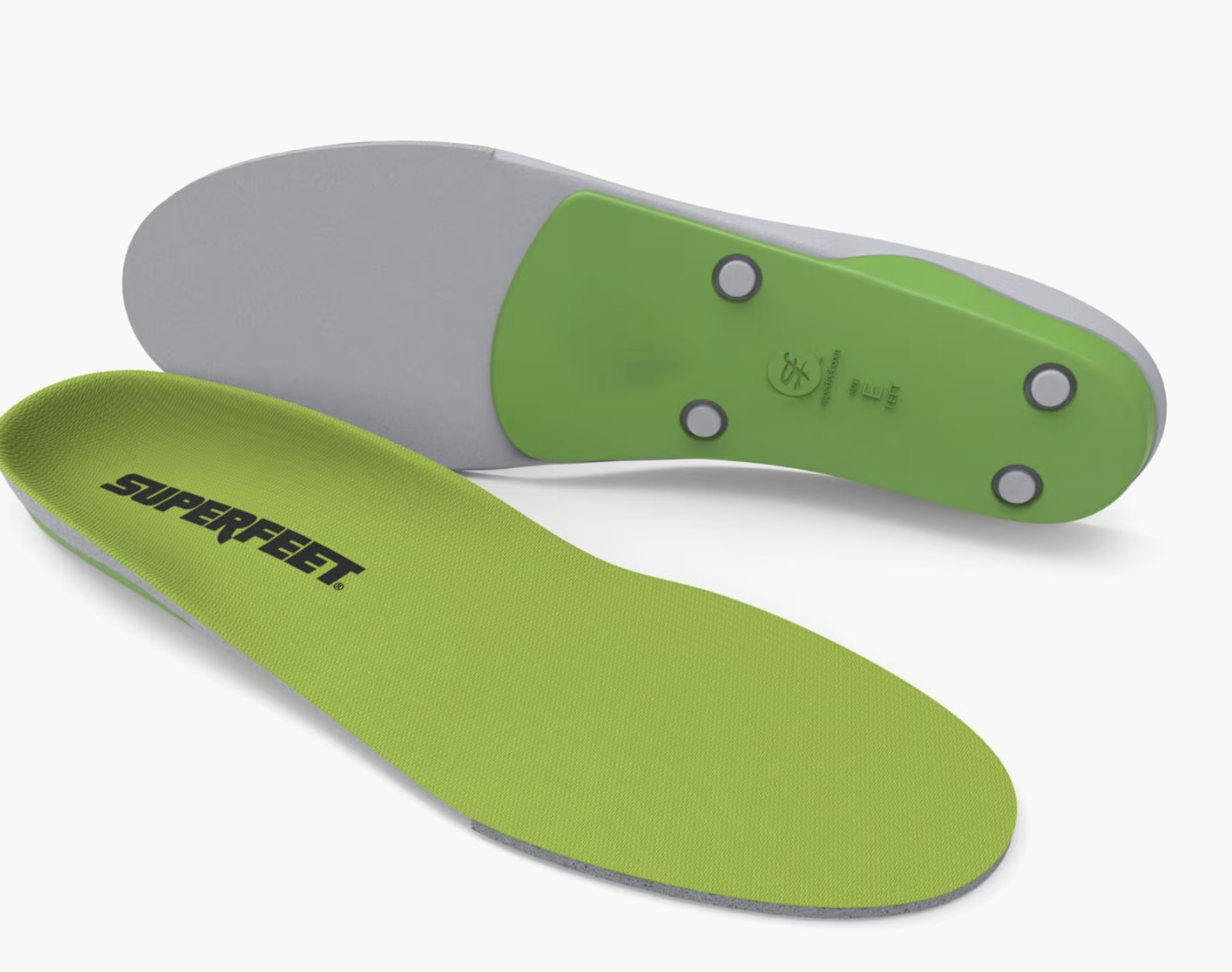
Superfeet GREEN
What I Love
- Maximum structure of any insole in the test: a rigid stabilizer cap and deep heel cup. If your pain lives in your heels rather than your arches, start here.
- Extremely durable: Superfeet has been making this shape for 30+ years. It's a staple for a reason.
- Excellent for high arches that need firm correction.
What could be better
- Very rigid: some people describe it as "like standing on a tennis ball." If you have flat or low arches, the PowerStep Pinnacle is more forgiving.
- Minimal cushioning feel: this is pure structure. Your shoe provides the cushion; the Superfeet provides the shape.
My overall rating
Not second-best — differently-best. The PowerStep is for arches, the Superfeet is for heels and high arches. Diagnose first, then buy.
The three that didn't make it
- Dr. Scholl's Work All-Day Comfort (~$13): the cheapest upgrade over flat factory insoles and fine for mild fatigue, but gel cushioning only — no motion control. Compresses faster than structured insoles.
- A memory-foam insole (~$20): felt wonderful for four days, then flattened into an expensive piece of felt. Memory foam remembers nothing.
- A gel-bubble "massaging" insole (~$18): a novelty sensation my feet stopped registering by day two, with no structure underneath.
The bottom line
PowerStep Pinnacle for arches. Superfeet GREEN for heels and high arches. Give firm support two shifts to feel normal. Combined with proper shoes and graduated compression socks, it's the closest thing to a cheat code this job allows.
— Emma