I Tested 6 Shoes for 12-Hour Shifts — These Saved My Feet
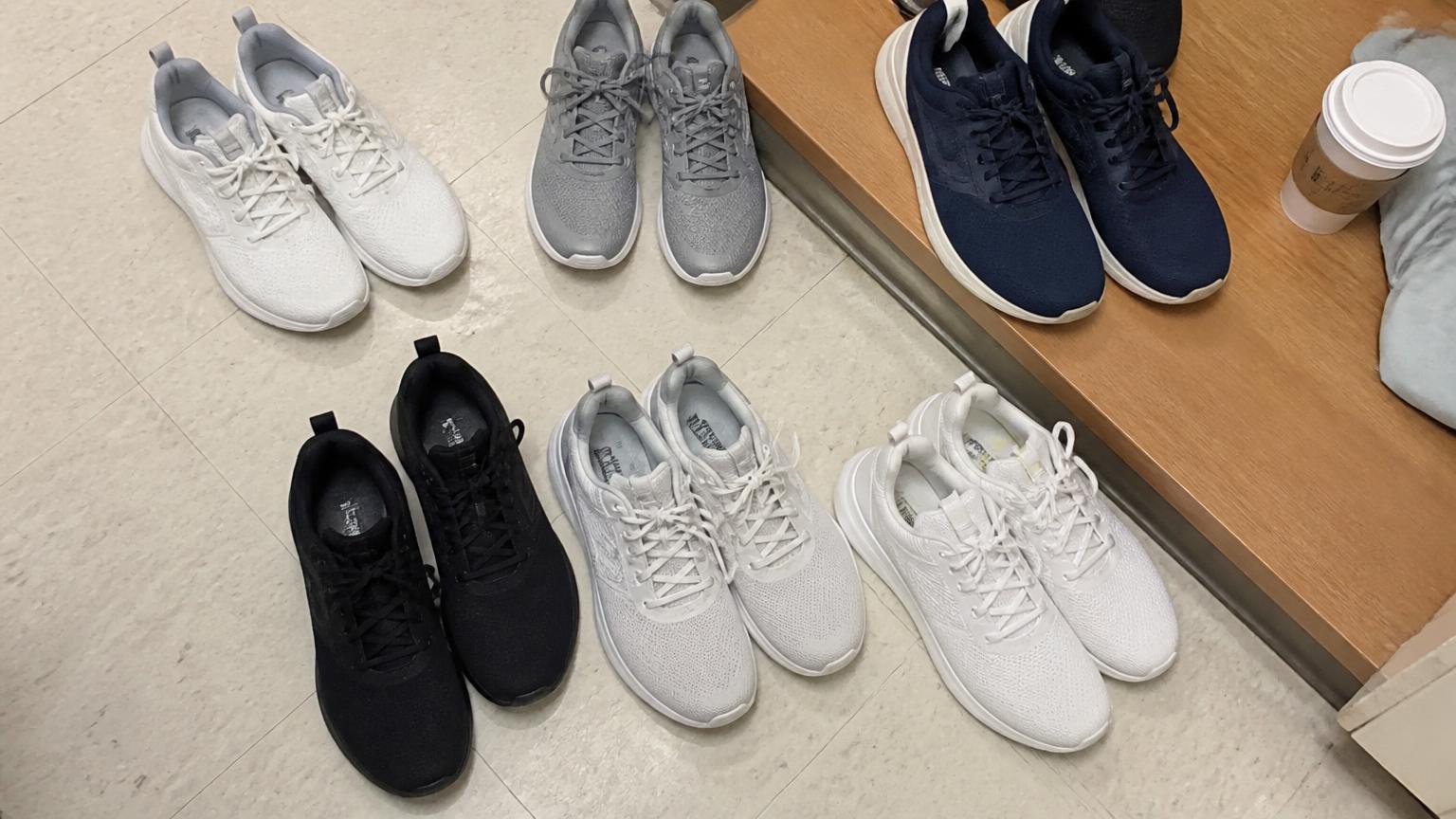
Ask any nurse what matters most at work and half of us will say the same thing: shoes. The wrong pair doesn't just hurt your feet — it works its way up through your knees, your hips, and your lower back until the whole body is complaining by hour ten.
After 25 years, I've bought more pairs than I want to admit. This spring I finally did it properly: six popular shift-shoe styles, each worn for at least three full 12-hour shifts, judged on the only opinion that counts — how my body felt at 6:45 PM.
Why shift shoes matter this much
Anything feels fine at 7 AM. The question is what your arches and back say twelve hours later.
Freshly mopped corridors and spill zones are part of the job. Slippery soles are a genuine safety issue.
Things end up on your shoes in this profession. Mesh that absorbs everything is a daily regret.
Some foam feels amazing for three weeks and then packs flat. Durability is where cheap shoes get expensive.
How I tested each shoe
- Hour-twelve comfort: how my feet, knees, and lower back felt at the end of a full shift.
- Floor grip: tested on dry, damp, and freshly mopped hospital floors.
- Cleanability: could the shoe be wiped down in under a minute?
- Support retention: did the cushioning still feel supportive after three weeks of rotation?
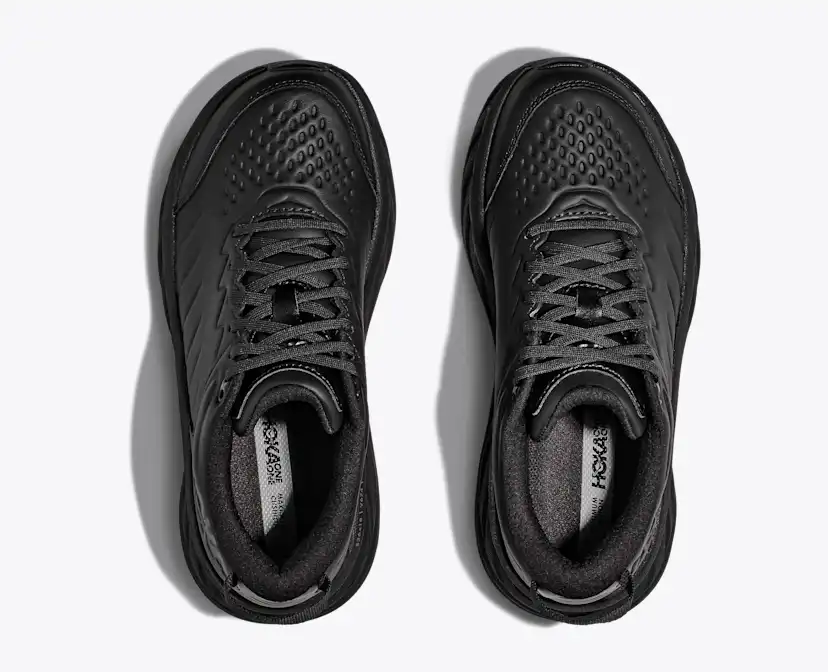
HOKA Bondi SR
What I Love
- The hour-twelve test champion: HOKA's max-cushion EVA midsole genuinely changed how my lower back felt at the end of every shift. APMA Seal of Acceptance earned.
- Slip-resistant outsole that actually grips: the SR (slip-resistant) version is purpose-built for wet floors. Full-contact rubber outsole handled every mopped corridor I threw at it.
- Water-resistant leather wipes clean in seconds: no ventilation holes means nothing soaks in. In this job, that's not a luxury.
- Support hasn't budged: three months in, the footbed feels the same as week one.
What could be better
- Expensive: at $180 these are a real investment, though the durability justifies it over cheaper shoes you replace twice as often.
- Heavy and bulky: the most cushioning in the test comes with the most weight.
- Runs warm: the sealed leather upper that makes it wipeable also means zero breathability.
My verdict
The clog might be iconic, but the Bondi SR is what converted me. Max cushioning that doesn't quit, genuinely slip-resistant, and wipeable leather for hospital reality. If you buy one pair for work this year, this is it.
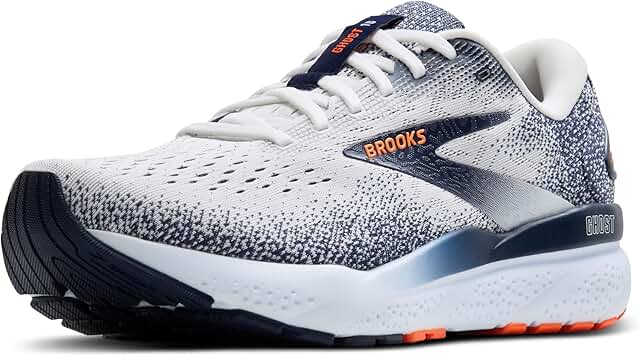
Brooks Ghost 16
What I Love
- Balanced cushioning that works for walking and standing: the DNA Loft v3 midsole hits a middle ground the HOKA doesn't — supportive without feeling like you're on a trampoline.
- Zero break-in period: comfortable from the first step. True-to-size fit.
- APMA accepted and diabetic-certified (PDAC A5500).
- The best value when on sale: I've seen these drop to $75 on Amazon, which is genuinely hard to beat for this level of shoe.
What could be better
- Not slip-resistant: the mesh-and-rubber outsole is fine on dry floors but not rated for wet hospital corridors the way the HOKA SR is.
- Mesh upper absorbs spills: breathable, yes. Wipeable, no.
My overall rating
The value champion. If the Bondi SR is too expensive or you work in a clinic with dry floors, the Ghost 16 on sale is genuinely exceptional. 4.6 stars across 4,800+ Amazon reviews doesn't happen by accident.
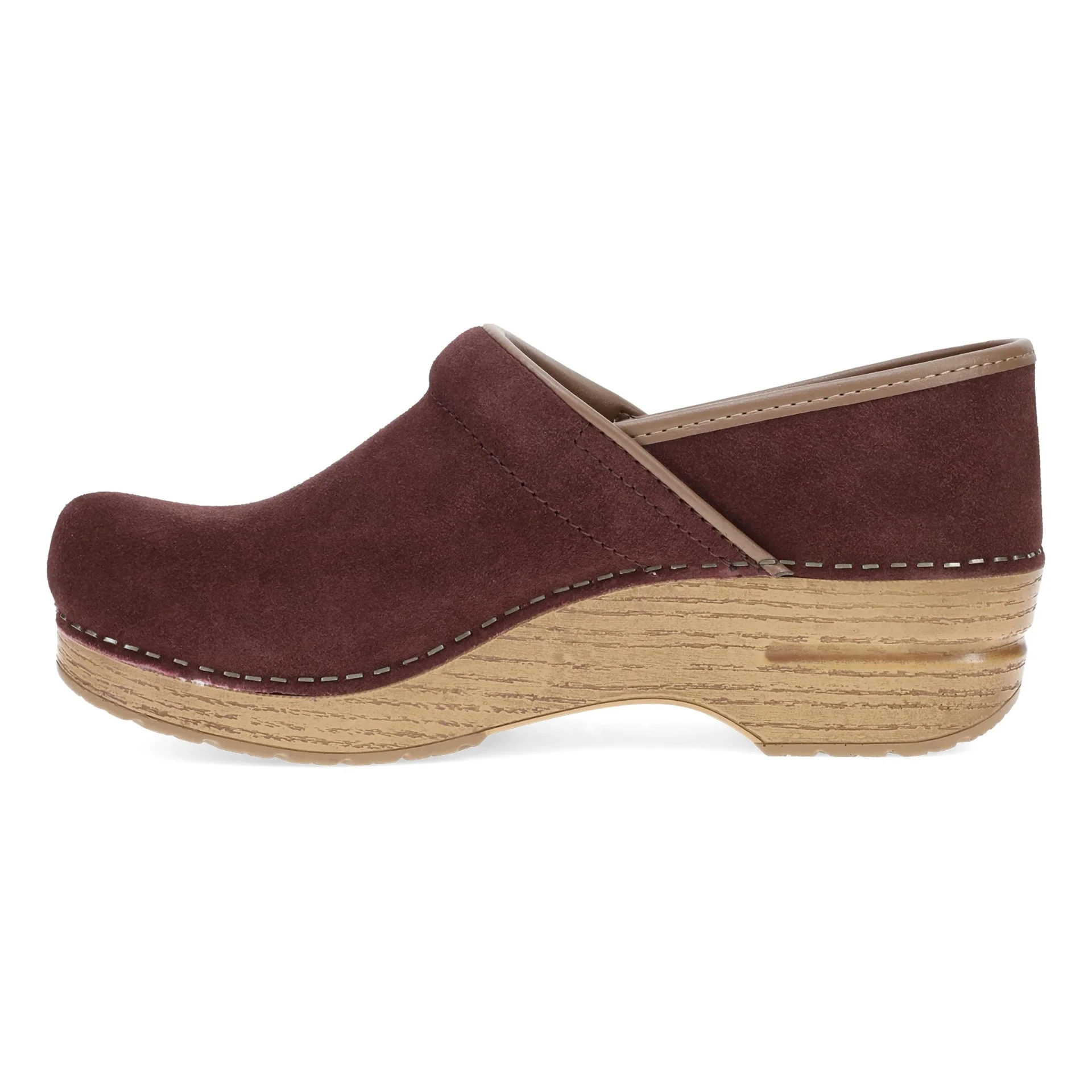
Dansko Professional Clog
What I Love
- Superb arch support with rocker sole: the curved roll-through sole genuinely reduces fatigue over 15,000+ steps per shift. The PU footbed is firm in the way that works — structure, not plush.
- Leather wipes clean easily: box leather and patent options both handle hospital reality.
- Extremely durable: the clog that outlasts everything else you own. Some nurses report 3+ years.
- Great for plantar fasciitis sufferers.
What could be better
- Polarizing fit: the open heel and rocker shape either work for you or they don't. Try before buying.
- Heavy: you feel the weight, especially on night shift when everything feels heavier.
- Break-in period: the firm footbed took about two shifts to feel natural.
My overall rating
The OG nursing shoe. If you've been a Dansko person for years, you know. If you've never tried one, the fit is love-it-or-hate-it — go try them on before committing. The XP 2.0 (~$165) is the lighter, slip-resistant update worth looking at.
Calzuro Classic
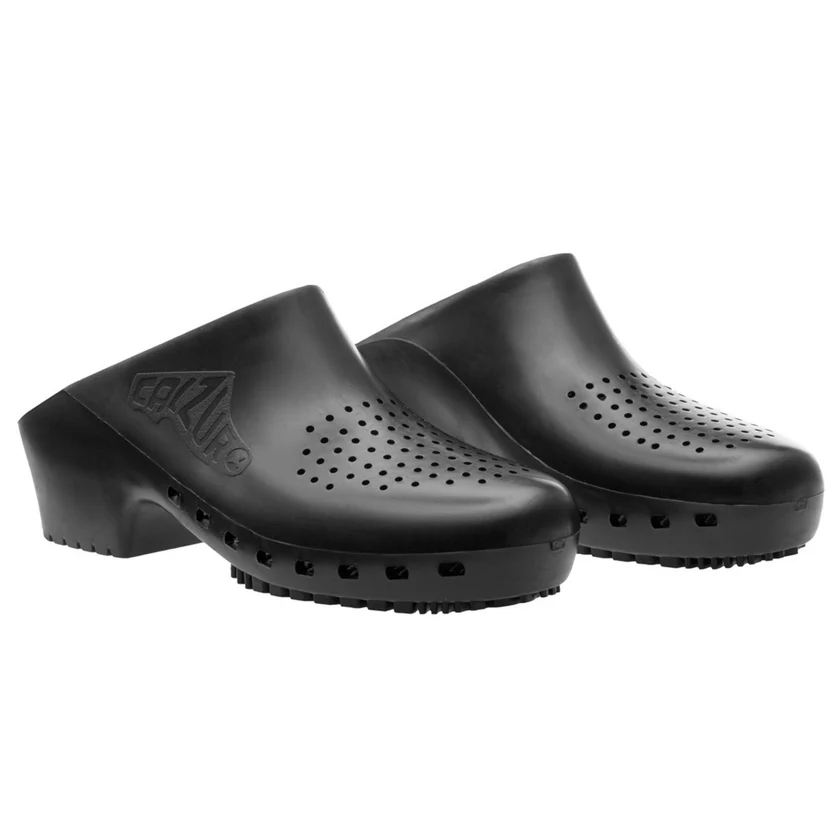
What I Love
- The only shoe you can autoclave: Italian rubber construction is fully autoclavable, bleach-safe, and machine-washable. The OR/L&D/sterile favorite for a reason.
- Lightweight and affordable: at $69–$85, the cheapest serious option in the test.
What could be better
- Hard footbed with zero built-in support: many buyers need the add-on insole (~$15 extra) to make these wearable for a full shift.
- Divisive comfort: Amazon reviews genuinely range from "10/10 most comfortable shoe I own" to "some of the most uncomfortable shoes I've ever worn." Fit depends entirely on your foot shape.
My overall rating
The specialist pick. If you work in sterile environments where autoclavable matters, Calzuro wins by default. For general floor nursing, the HOKA or Brooks are better all-day shoes.
The two that didn't survive week one
- A popular fashion sneaker (~$110): flat sole, zero structure. My feet filed a formal complaint by lunch on day one.
- A memory-foam comfort shoe (~$75): felt incredible for four days, then flattened into expensive felt. Memory foam remembers nothing.
My final advice
Buy the HOKA Bondi SR if you can, or the Brooks Ghost 16 on sale if you need a better price. Rotate two pairs — your cushioning recovers between wears and both pairs last far longer.
And whatever shoe you land on: the shoe carries you, but gentle graduated compression is what carries your legs. The combination does more for end-of-shift fatigue than either alone — my full sock comparison is here.
— Emma