Blue-Light Glasses for Night Shifters: Do They Help?
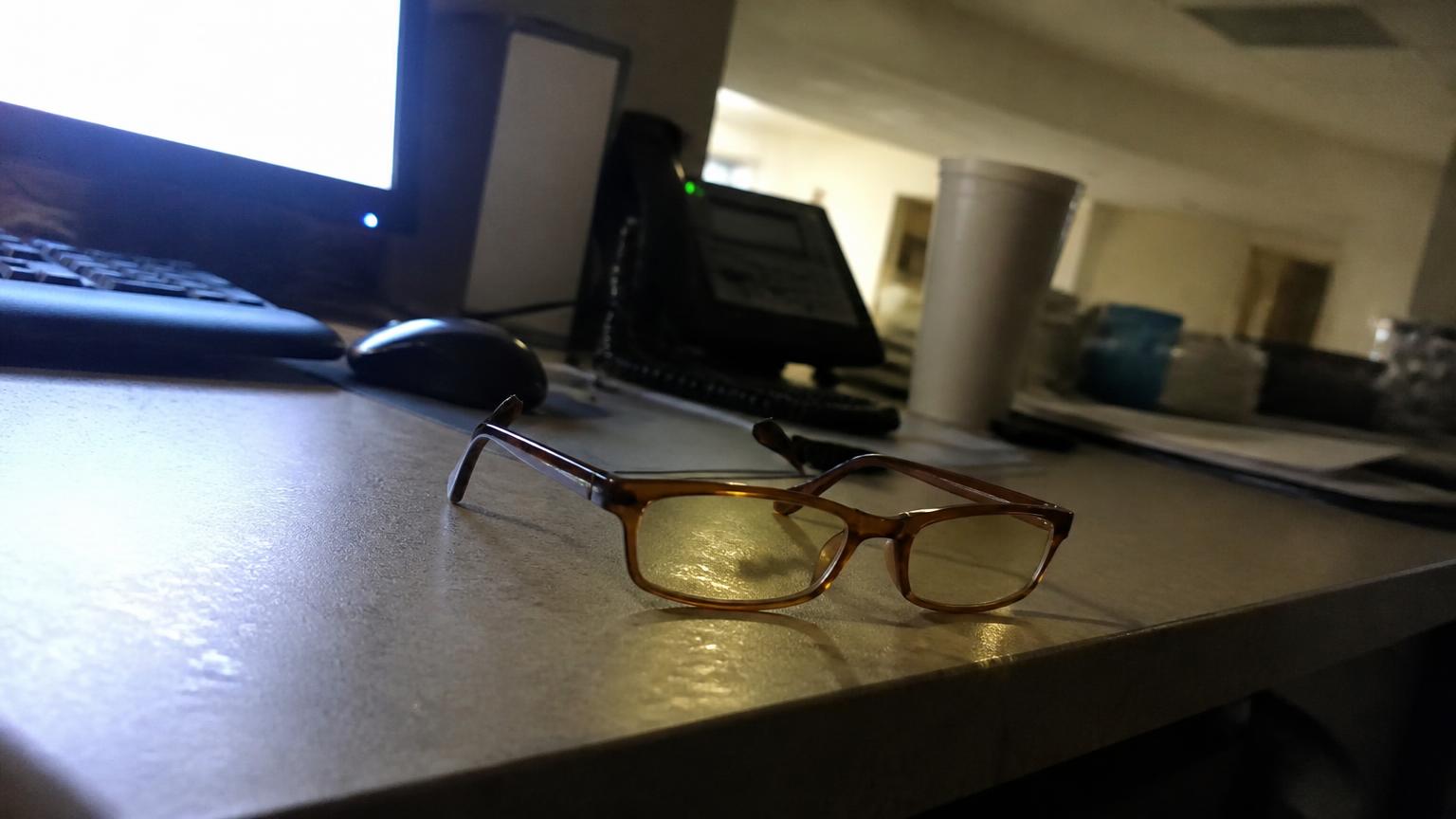
Night shift wrecks sleep — that part isn't controversial. Whether blue-light glasses help is muddier. The marketing says yes, loudly. The research is mixed. So I did what I always do: tested it on myself and wrote down what happened.
My experiment
- Four weeks of night shifts: two weeks wearing amber-lens glasses, two weeks without, alternating.
- When I wore them: the last two hours of each shift and the full drive home.
- What I tracked: time to fall asleep, length of my first sleep block, day-sleep rating out of ten.
- What I kept constant: blackout curtains, sleep mask, fan, no phone in the bedroom, same caffeine cut-off.
My results
On glasses weeks, I fell asleep about fifteen minutes faster, and my first sleep block ran noticeably longer. My day-sleep ratings averaged roughly one point higher.
Not a miracle — a nudge. But a repeatable fifteen minutes, four mornings a week, is not nothing when you live on day sleep.
If you're going to try them
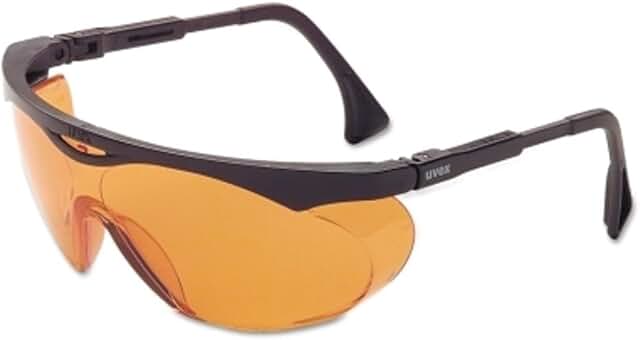
Uvex Skyper S1933X (SCT-Orange)
What I Love
- Blocks 98%+ of blue light via Honeywell's Spectrum Control Technology (SCT). The orange lens is the real deal — not a tinted gimmick.
- Wrap-around coverage with side shields: light doesn't sneak in from the edges, which matters on a bright morning drive.
- Under $12: this is a $10 experiment, not a $70 commitment.
- The sleep-community standard: recommended across r/nightshift and shift-work forums for years.
What could be better
- They look like safety glasses: because they are. Not winning any style awards.
- Heavy orange color distortion: everything looks amber. Fine for charting, strange for other tasks.
- No Rx option and fits awkwardly over regular glasses.
My verdict
At this price, just try them. Two weeks of wearing them the last two hours of your shift will tell you whether your sleep improves. Most expensive thing you'll waste if they don't work for you is $10.
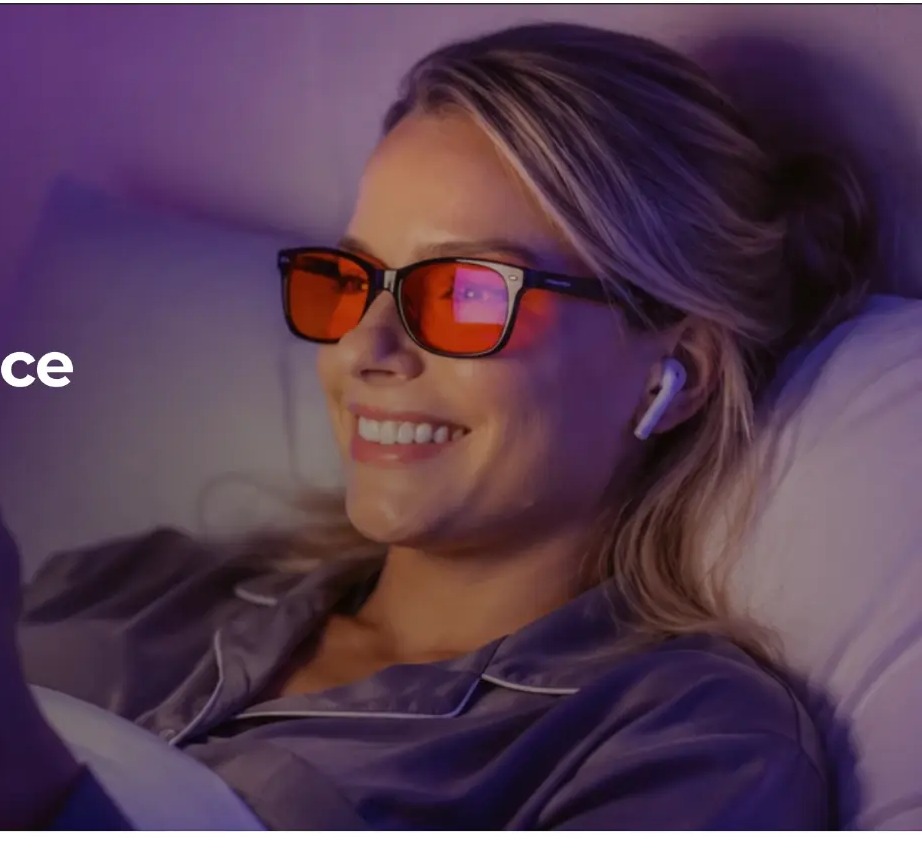
Swanwick (Swannies) Night
What I Love
- Stylish enough to wear anywhere: classic frame styles you wouldn't be embarrassed wearing out.
- Prescription-compatible.
- Quality build that feels premium.
What could be better
- Five times the price of Uvex for similar filtering. The orange lenses block the same light — you're paying for aesthetics.
My overall rating
The upgrade if the Uvex look bothers you or you need Rx lenses. Otherwise, the Uvex does the same job for $10.
Budget alternative
Livho or MEETSUN amber 2-packs (~$13–$20) are popular on Amazon with shift workers. Lighter build, less wrap-around coverage, but functional for the price.
My verdict on blue-light glasses overall
As a cheap experiment for fellow night shifters: yes, worth trying, with realistic expectations. As a replacement for a proper wind-down routine: absolutely not. My full day-sleeping setup — which matters far more — is here.
— Emma